Sorrento Cooking Class

Sorrento Cooking Class — Hands-On Lessons at Villa Silvana

Flour on the table, lemons on the sill.

Free Cancellation
3-4 hours recommended
1 Languages
8-12 guests maximum
Free Cancellation
Free cancellation Instant confirmation Mobile voucher Verified partner Book now, pay later
Choose your ticket

Ticket options at a glance

Compare fares, pick the fit — all bookings are mobile-voucher and eligible for free cancellation where shown.

Sorrento Pasta & Tiramisu Cooking Class with Wine 3 hr
Standard Entry

Sorrento Pasta & Tiramisu Cooking Class with Wine

4.8 (682)
€95
  • Entry ticket
  • Mobile voucher
  • Valid same day
  • Free cancellation
Book this ticket
Sorrento Pizza Making Class with Wine & Tiramisu 1 hr 30 min
Standard Entry

Sorrento Pizza Making Class with Wine & Tiramisu

4.8 (741)
€60
  • Entry ticket
  • Mobile voucher
  • Valid same day
  • Free cancellation
Book this ticket

Is it worth it?

Worth it for groups and hands-on foodies

A sorrento cooking class at Villa Silvana runs 180 to 300 EUR per person, with no gate fee beyond the booking. For that you get hands-on instruction, a multi-course meal you cook and eat, local wine, and the hillside view. Compare it to a 12 to 15 EUR street-food fritti and gelato crawl: the class costs ten times more, so the food alone never justifies it. The value sits in the pasta-making tuition, the limoncello tasting, and the sit-down meal that doubles as dinner. Solo travellers feel the sting most, since per-head rates rarely drop. These sorrento cooking class tours pay off for couples and small groups who split a private booking, folding the price into an evening's food and entertainment. If you only want to eat well cheaply, skip it.

What makes it worth it

  • Hands-on pasta and gnocchi instruction included
  • Multi-course meal replaces a dinner out
  • Local wine and limoncello tasting
  • Group bookings lower the per-head cost
  • Hillside Villa Silvana setting adds value

Keep in mind

  • Solo travellers pay full 180-300 EUR rate
  • Ten times pricier than street food
  • Books per class, not a casual drop-in

Bottom line: Book the sorrento cooking class tickets as a shared group evening and it earns its price; go solo just to eat and it will not.

Featured Experiences

Popular tours & activities

Hand-picked experiences loved by thousands of travelers

Recommended Experience

Powered by GetYourGuide

Another traveler favorite

Powered by GetYourGuide
Sorrento Hands-On Cooking Class: Pizza, Pasta & Limoncello 3 hours Free Cancellation

Sorrento Hands-On Cooking Class: Pizza, Pasta & Limoncello

Make real Neapolitan pizza, fresh pasta & tiramisu on a Gulf of Sorrento terrace with wine & music.

4.9 (339)
FromFrom €130
See details
Sorrento: Marì Family Farm Cooking Class with Amalfi Coast Views 4 hours Free Cancellation

Sorrento: Marì Family Farm Cooking Class with Amalfi Coast Views

Cook authentic Italian recipes on a working family farm with sweeping Amalfi Coast panoramas.

5 (73)
FromFrom €140
See details
Sorrento Seaside Cooking Class & Sommelier Wine Pairing 3.5 hours Free Cancellation

Sorrento Seaside Cooking Class & Sommelier Wine Pairing

Master fresh pasta & tiramisu in a hilltop Sorrento villa, then dine alfresco with expert wine pairings.

5 (23)
FromFrom €130
See details
What you'll see

Highlights not to miss

Villa Silvana Terrace

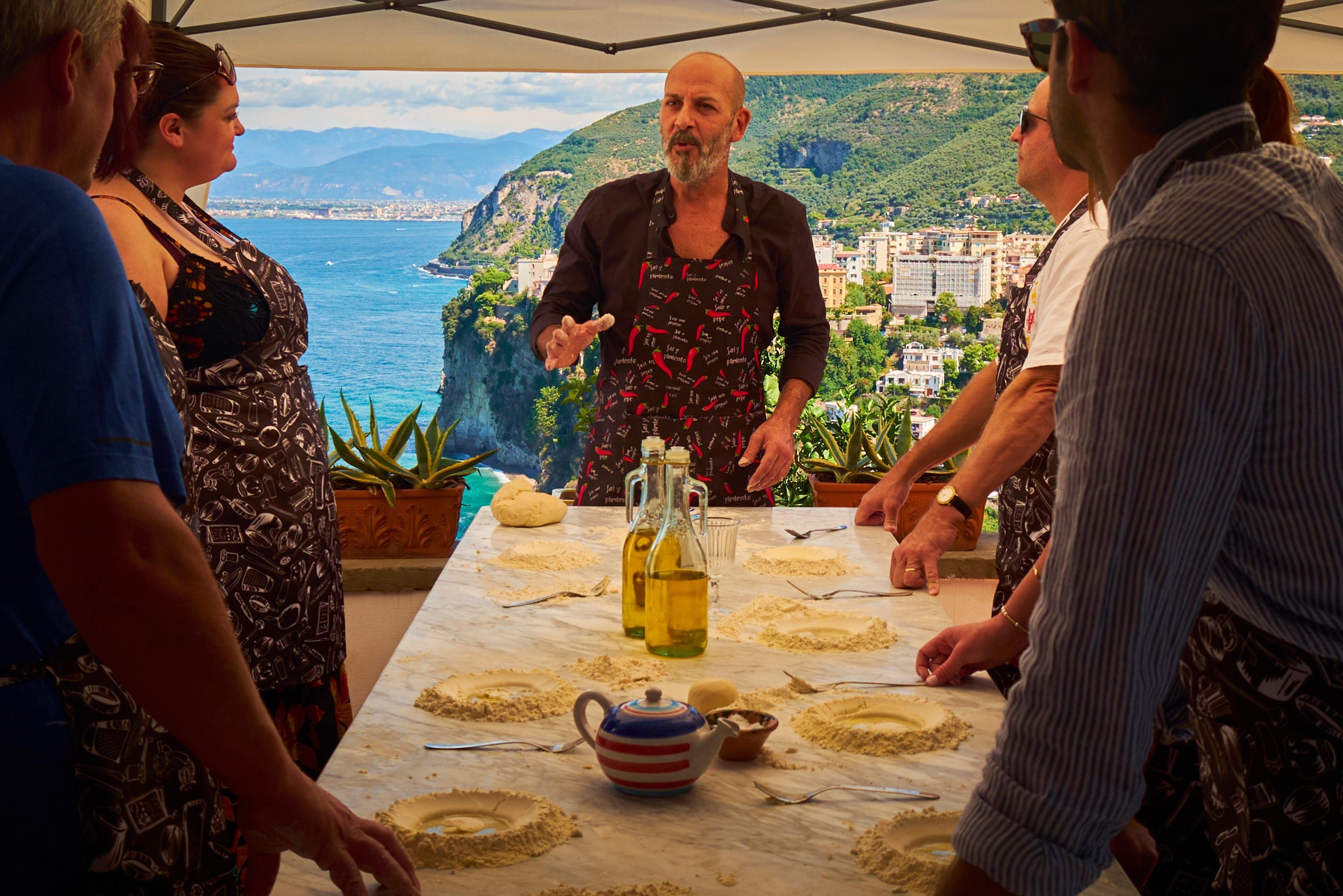
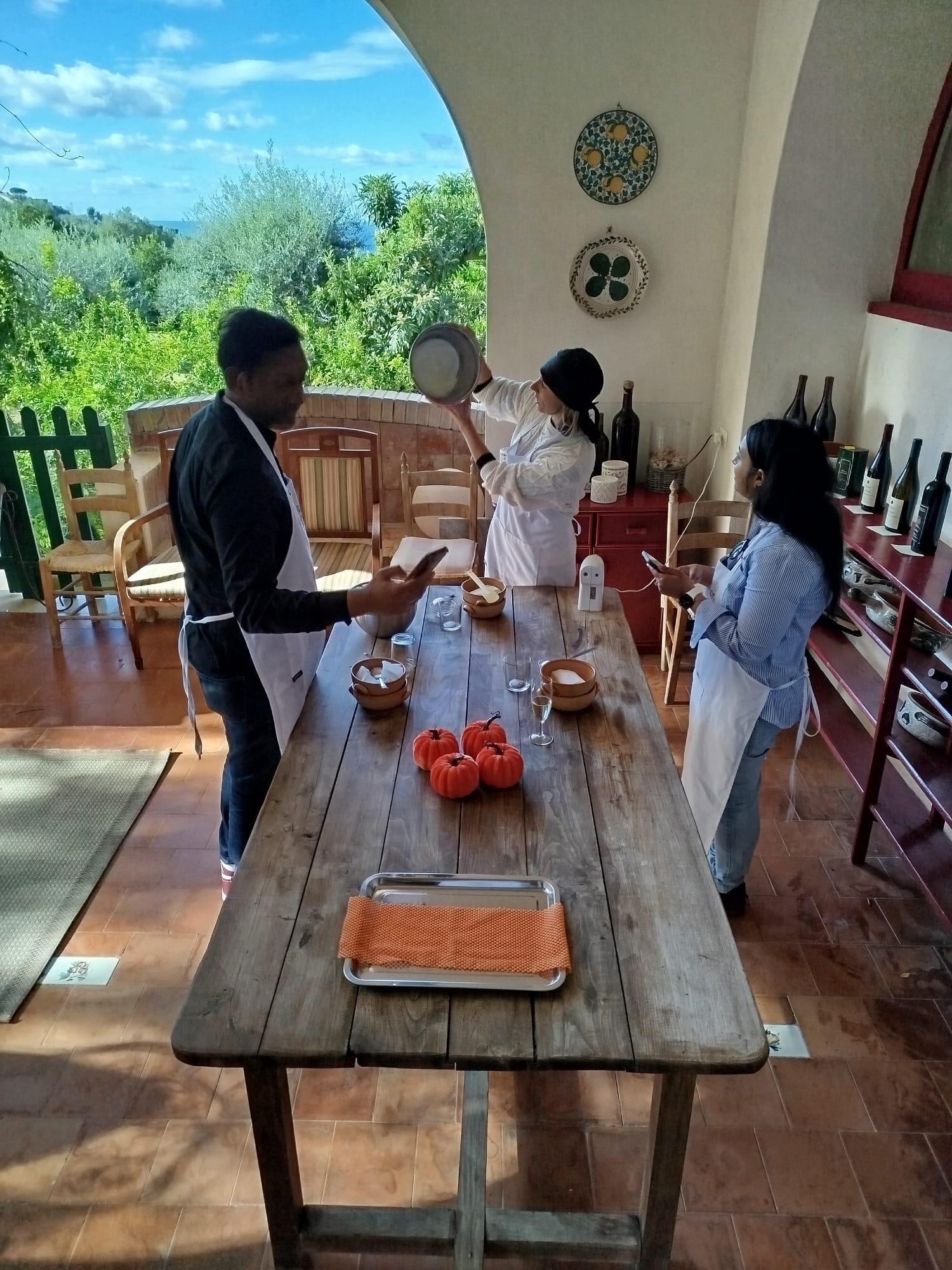
The open-air terrace where most sessions of the sorrento cooking class take place looks directly over the Gulf of Naples toward Mount Vesuvius. Meals prepared during the lesson are served here at long communal tables.

Wood-Fired Pizza Oven

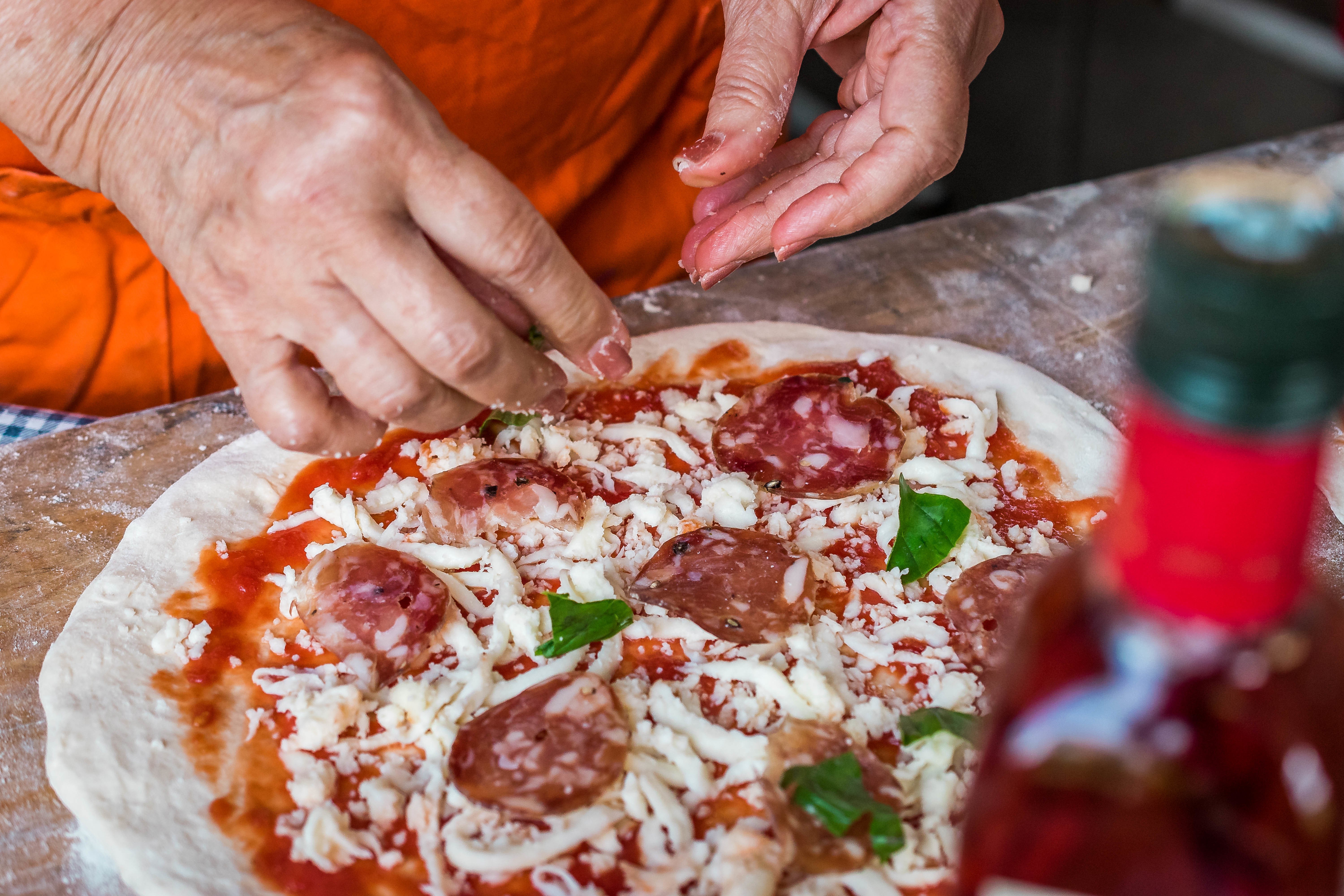
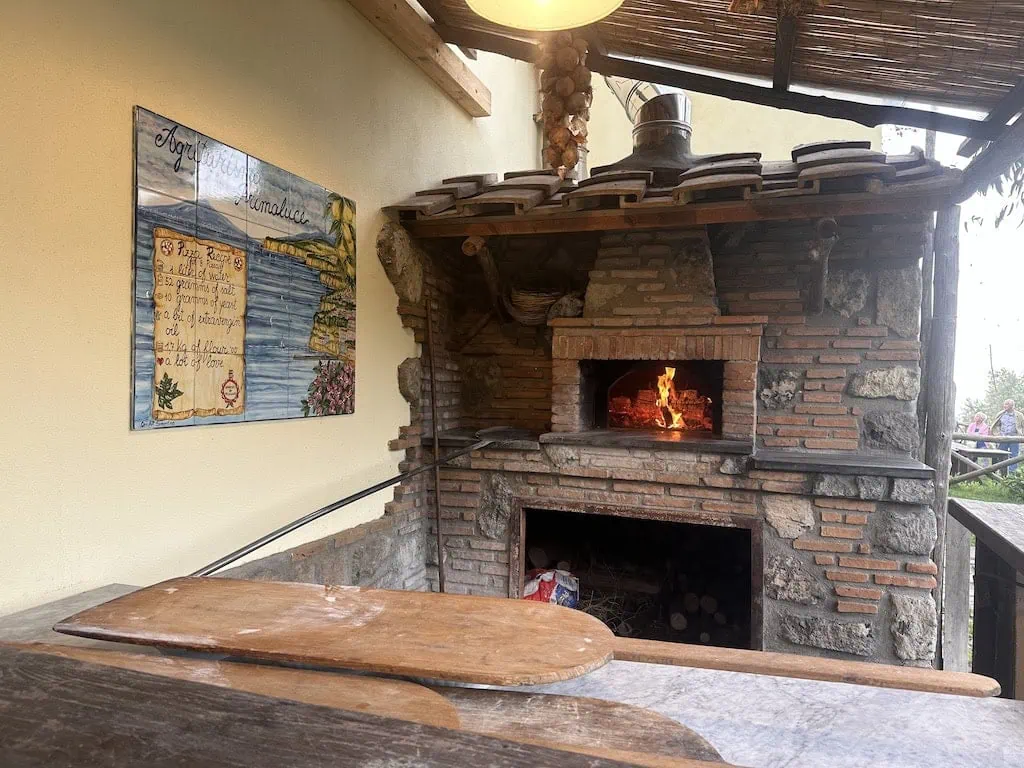
A traditional wood-fired oven set in the villa's gardens is used for the Neapolitan pizza lessons, reaching temperatures well above 400°C to cook a pizza in under two minutes. Guests stretch and top their own dough before it goes in.

Indoor Teaching Kitchen

A large indoor kitchen room serves as the backup venue during rain or cooler months, fitted with multiple workstations for hands-on pasta and dough preparation. It keeps the sorrento cooking class running year-round regardless of weather.

Lemon and Orange Gardens

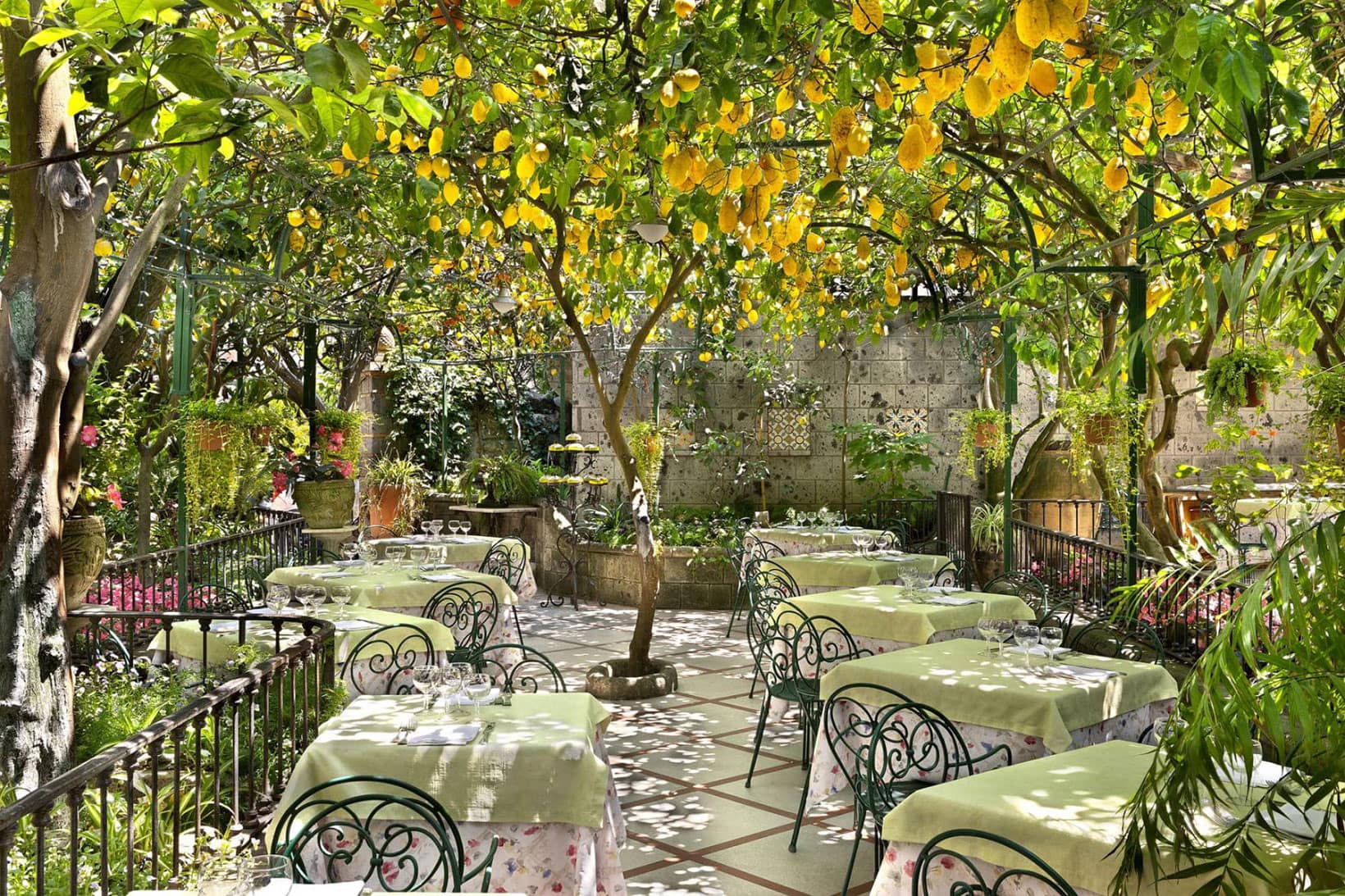
Villa Silvana is surrounded by Mediterranean gardens of lemon and orange trees, the same citrus used in the school's limoncello-making lessons. The scent of the groves is often noted by guests during the outdoor sessions.

Pasta-Making Station

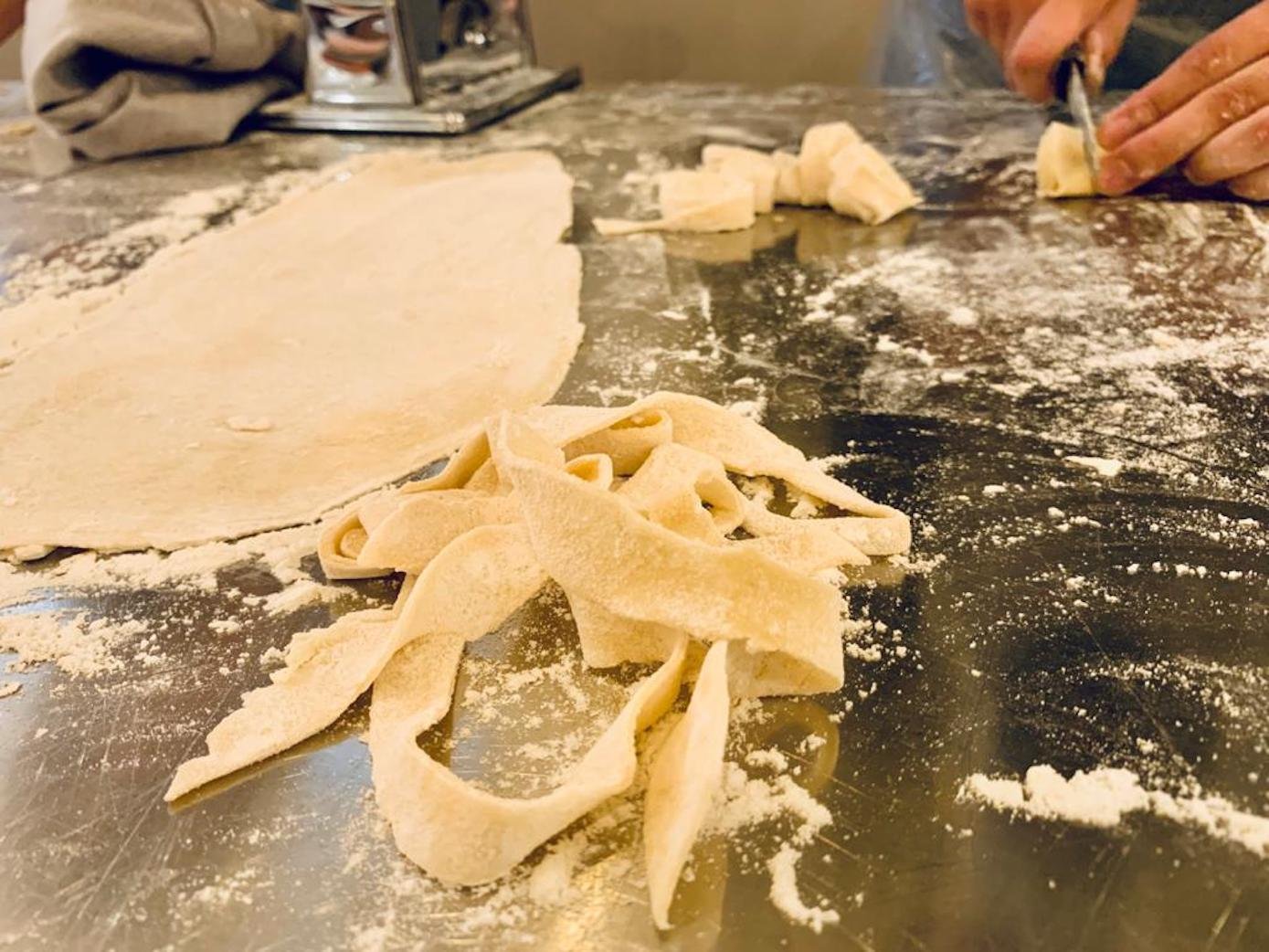
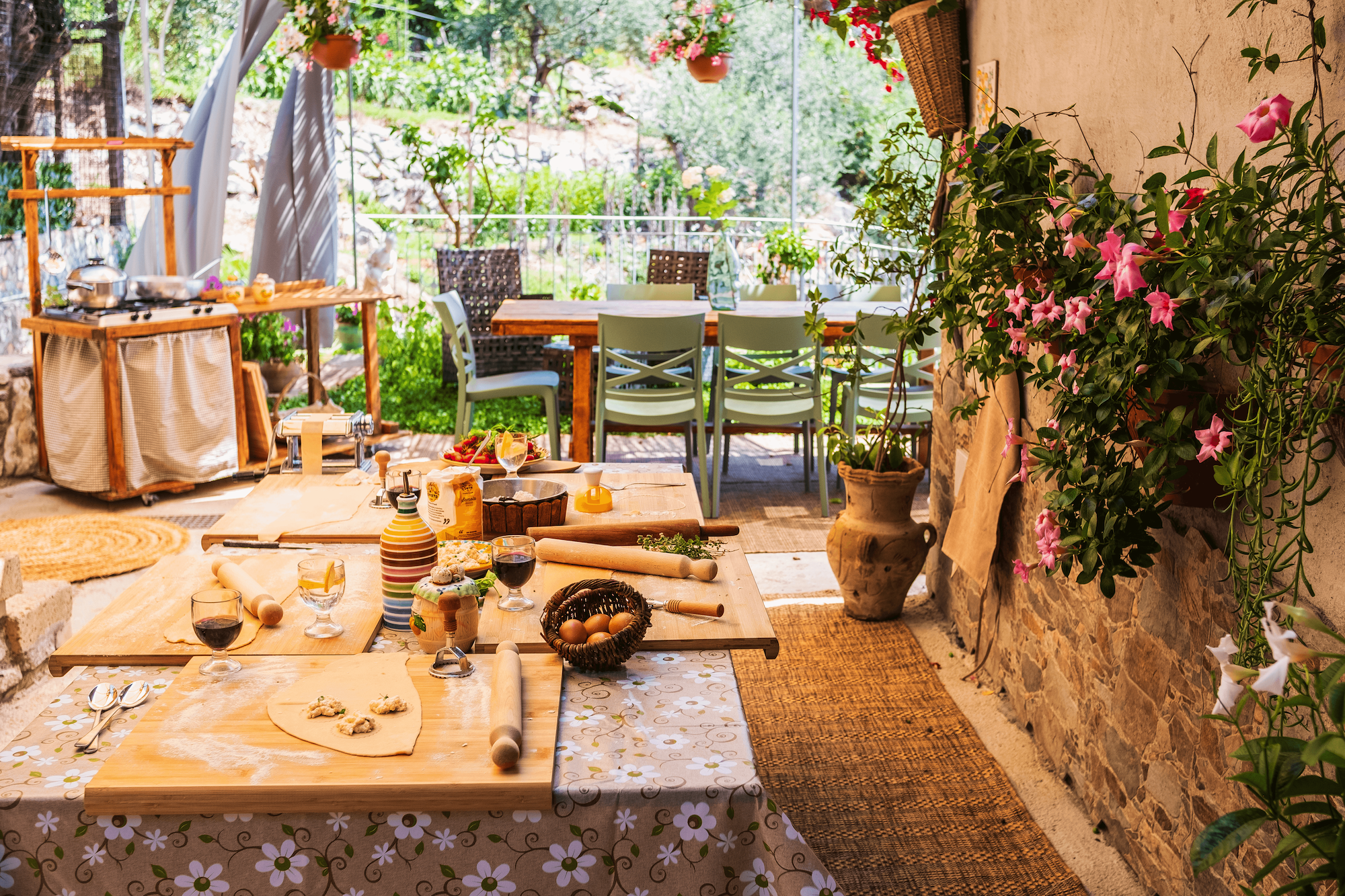
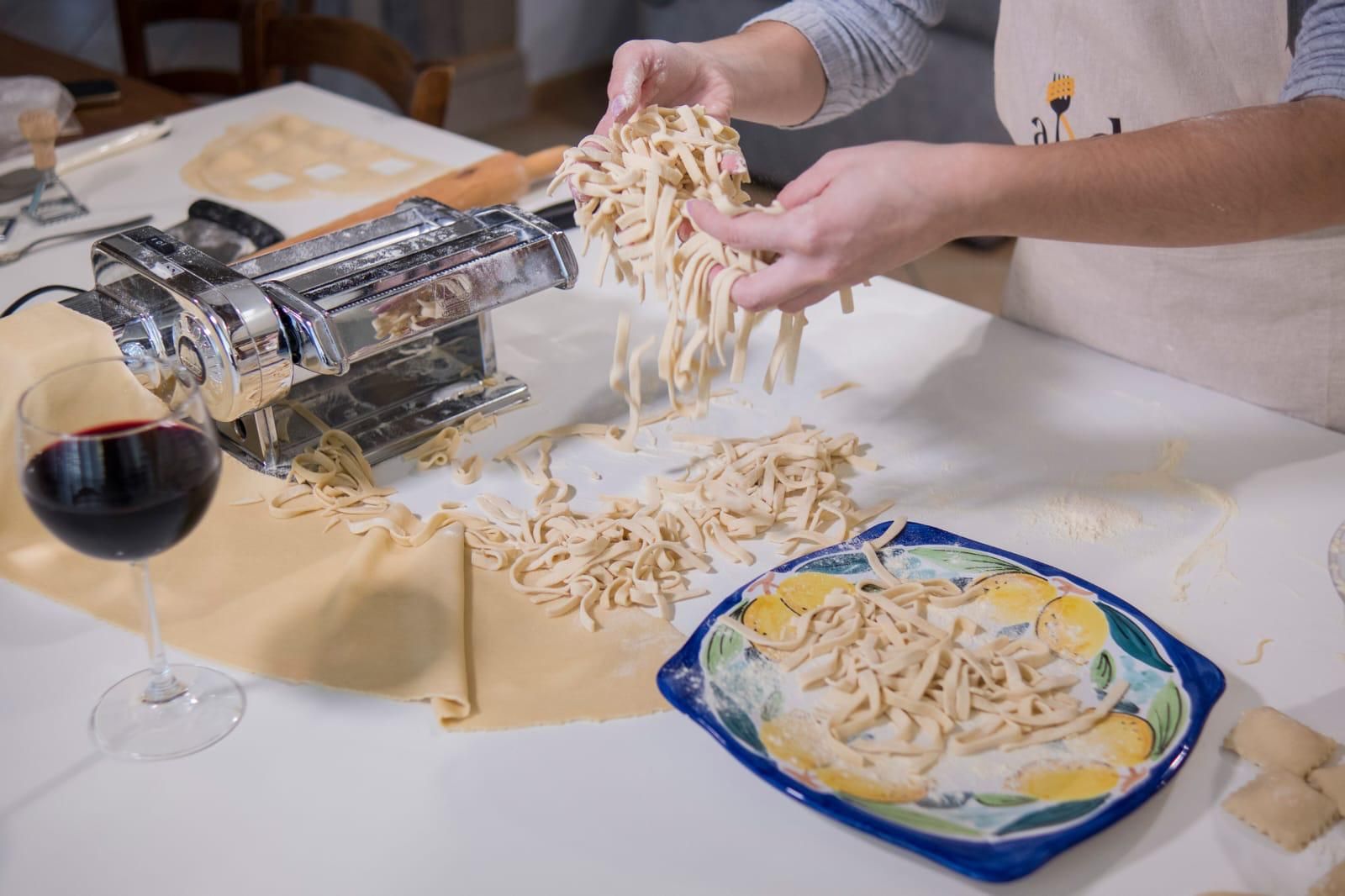
Marble or wooden counters set up for hand-rolling fresh pasta shapes like tagliatelle and gnocchi form the core teaching stations of the class. Guests work directly with the chef through each stage of dough and shaping.

Limoncello Preparation Corner

A dedicated station is used for teaching the traditional method of steeping Sorrento lemon peels in alcohol to produce limoncello. The process introduced here typically requires several days of infusion before bottling.

Everything You Need to Know

Your complete experience guide

All the details about your upcoming adventure in one place

Your Sorrento Cooking Class Experience

A sorrento cooking class pairs hands-on pasta making with regional dishes rooted in Campania's citrus groves and coastal larder. Led by local chefs in a working kitchen, these corso di cucina sessions cover gnocchi, ragù, and limoncello traditions from the Amalfi Coast. Most sorrento cooking class tours end with a shared table where you eat everything you prepared.

The lemons of the Sorrentine peninsula grow as large as a fist, protected since 2000 by a European geographic designation that ties the fruit to this stretch of Campanian coast alone. That fruit anchors much of what happens at Villa Silvana, where a sorrento cooking class turns regional produce into the afternoon's whole vocabulary. The setting is not incidental. Perched above the Bay of Naples, the villa looks across water toward Vesuvius, whose volcanic soil feeds the San Marzano tomatoes and the herbs that reach the workstations. Cooking here belongs to a longer Campanian story. Gnocchi alla sorrentina, gnudi, and hand-rolled pasta descend from a peasant kitchen that made abundance out of little: semolina, water, garden vegetables, and the fior di latte that arrives daily from nearby dairies. The mozzarella tradition of the region predates refrigeration; families ate what the morning produced. A lesson at Villa Silvana inherits that immediacy, working from ingredients rather than recipes fixed in advance. The villa itself is a working culinary space rather than a museum piece. Long marble counters, a wood surface for kneading, and an open kitchen let a small group watch technique up close: the wrist turn that ridges a gnocco against a fork, the resting time that lets dough relax, the ratio of egg to flour that separates a northern noodle from a southern one. Instructors are local, and the emphasis stays practical. Semantic variations of the experience — a Sorrento cooking class tour, a corso di cucina a sorrento — all circle the same principle, that Campanian food is learned by hand. Context matters as much as content. Sorrento sits at the neck of a peninsula that has fed travelers since Roman senators built seaside villas here, and the town's food culture absorbed Greek, Bourbon, and Mediterranean threads over centuries. Limoncello, invented on the peninsula in the early twentieth century, distills that lemon heritage into a single glass. The best sorrento cooking class tours read this landscape as pantry: citrus terraces, olive groves, and the fishing fleets of Marina Grande all supply the table. What the villa offers, finally, is legibility. Ingredients that a visitor might pass in a market — provola, colatura, Amalfi lemons, farm eggs — acquire a use and a history. Booked per class rather than by gate ticket, each session hosts a limited number so that hands stay busy and instruction stays direct. The address is fixed at Villa Silvana, Sorrento, and the view over the bay is constant, but the produce shifts with the season, which is the point. A kitchen this close to its sources cannot repeat itself exactly, and that variability is the quiet argument for learning to cook where the ingredients are grown.

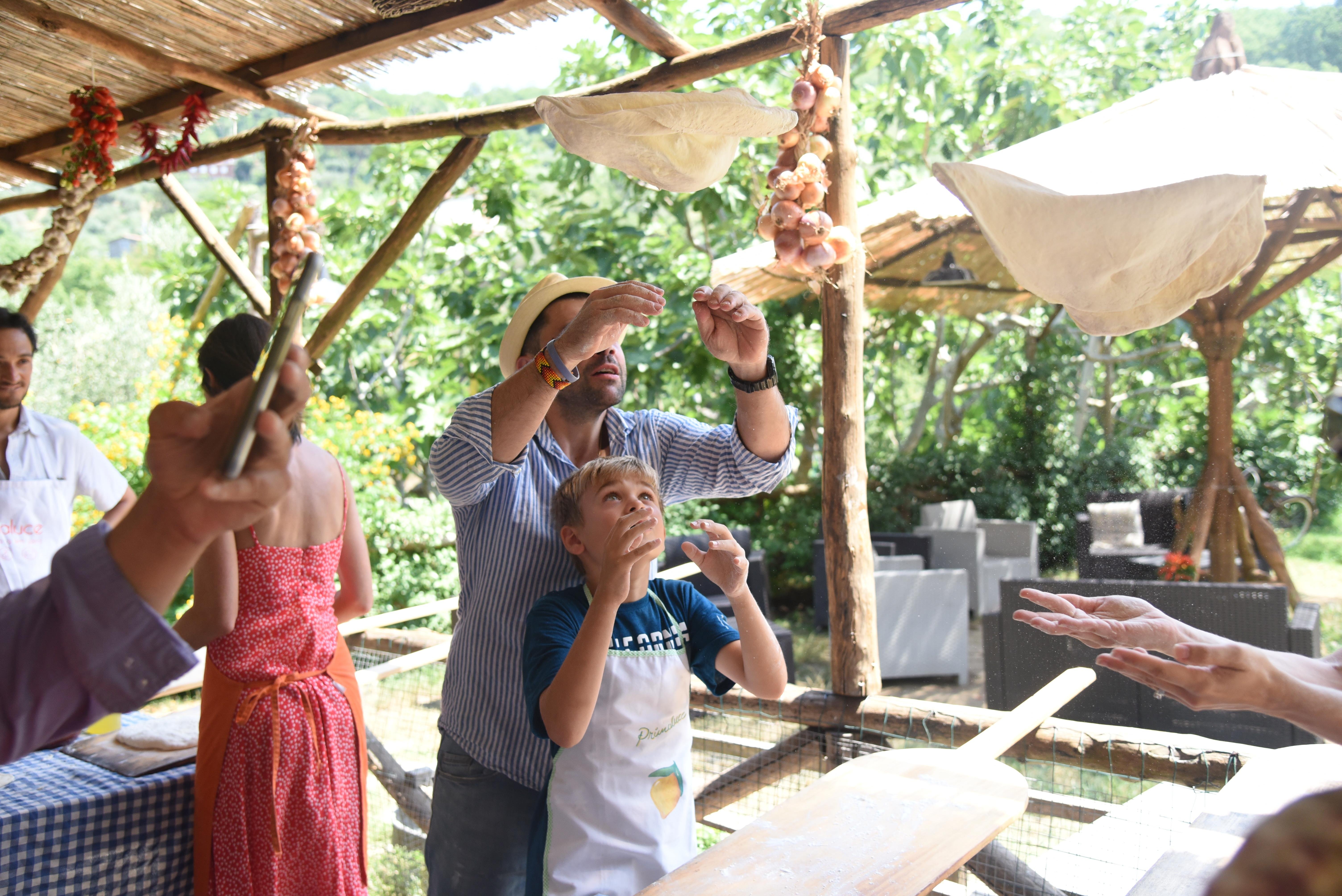
Campanian food is learned by hand, not read from a page.

Cancellation policy

Bookings can be cancelled free of charge up to 72 hours before the scheduled lesson. There is no separate entrance or gate fee since the class itself, priced from 180 to 300 EUR per person depending on group size, is the only charge.

Plan ahead

When to go — year at a glance

Weather · crowds · average price — dots go green to amber to red as each metric rises.

Spring

March to May brings mild 15-22°C days and lighter tourist crowds, ideal for a relaxed sorrento cooking class before peak season. Lemon groves are in bloom, adding scent to the terrace setting.

Summer

June to August is peak season with temperatures reaching 28-32°C and the highest demand for classes, so early booking matters. Evening 17:00 sessions are popular to avoid midday heat.

Autumn

September and October offer warm 20-26°C weather and thinner crowds after the August rush. Harvest-season produce like fresh tomatoes and basil features heavily in the lessons.

Winter

November to February is quiet with cooler 8-14°C days, and classes move to the indoor kitchen room more often. This is the calmest window for a private, uncrowded session.

Insider tips

Helpful tips for your visit

Book both time slots in mind

The sorrento cooking class runs at either 12:00 or 17:00, so choose the slot that fits the rest of your day in Sorrento before other plans fill in.

Mention dietary needs early

Flag allergies, vegetarian, or gluten-free requests when reserving so the chef can adjust ingredients ahead of the lesson.

Wear shoes you don't mind flouring

Kitchen floors can get dusted with flour during pasta and pizza work, so avoid delicate footwear.

Ask about the terrace vs indoor room

Weather determines whether the sorrento cooking class happens on the Villa Silvana terrace or in the indoor kitchen, so ask which is planned if the view matters to you.

Pair it with a Gulf of Naples walk

Villa Comunale gardens and Marina Grande are both a short walk away and suit a stroll before your class.

Bring a light layer for the terrace

Even in summer, a breeze off the Gulf of Naples can make the open terrace cooler in the evening slot.

Confirm parking access

Drivers can park freely near the villa, useful for those combining the class with a day trip to Pompeii or Positano.

The story

The history behind the site

Sorrentine cooking grew from the peninsula's terraced hillsides, where lemon groves and vegetable plots met the Bay of Naples. The IGP lemon, the Femminello Ovale di Sorrento, has been cultivated here since at least the sixteenth century. Its thick, fragrant peel gave rise to limoncello, a liqueur bottled in the region long before it gained wider fame in the 1980s. A sorrento cooking class draws directly on this agricultural inheritance. Fresh pasta anchors the local table. Gnocchi alla sorrentina, dressed with tomato, basil, and fior di latte, takes its name from the town itself. To the north, Naples formalised the wood-fired pizza in the eighteenth century; the Associazione Verace Pizza Napoletana codified its rules in 1984, and UNESCO inscribed the art of the Neapolitan pizzaiuolo in 2017. These techniques travelled the short road south, shaping how sorrento cooking class tours present the craft today. Villa Silvana, at its address in Sorrento, sits within this landscape rather than apart from it. Its terrace looks over citrus and olive, the same view that framed rural kitchens for generations. The setting is deliberate: instruction unfolds where the ingredients grow, so a sorrento cooking class tour reads the food against the land that produced it. Dough, sauce, and zest are handled in sequence, each tied to a named local product. The modern school formalised what families once passed down by hand. Recipes for melanzane and dolci that circulated in Sorrentine households now form a taught curriculum, documented and repeatable. That continuity is the point. Guests booking sorrento cooking class tickets step into a tradition with roots in the groves above the bay, carried forward through the Villa Silvana kitchen. The lemon, the mozzarella, and the flour remain what they were, and the terrace keeps the food joined to the coast that gave it meaning.

16th c.

Femminello Ovale di Sorrento lemon cultivation documented on the peninsula's terraces.

18th c.

Wood-fired pizza takes formal shape in nearby Naples.

1980s

Limoncello, long bottled locally, spreads to wider markets from the Sorrento coast.

1984

The Associazione Verace Pizza Napoletana codifies rules for authentic Neapolitan pizza.

2017

UNESCO inscribes the art of the Neapolitan pizzaiuolo on its heritage list.

2026

Villa Silvana teaches gnocchi, pizza, and limoncello daily from its Sorrento terrace.

Gallery

Moments from the experience

With kids

Visiting with kids

A sorrento cooking class at Villa Silvana works well for families, since the kitchen and terrace setup keeps kids near their parents throughout the hands-on session rather than sending them off separately. Groups often mix adults and children of different ages, and the pace stays flexible enough for younger cooks to step back when needed.

Strollers

The villa's terraces and kitchen areas involve steps and uneven garden paths, so a stroller is impractical; plan to carry infants or use a soft carrier instead.

Best ages

Kids around 7 and up tend to stay engaged for the full hands-on portion, while younger children often manage the pasta-making stage before losing focus during longer simmering or plating steps.

Pacing

A 3-hour session mixes active tasks (kneading, shaping) with waiting stretches, so plan short breaks for younger participants and let them rejoin for the tasting at the end.

Losing interest

If a child drifts off, staff generally let them step onto the terrace or sit with a parent rather than forcing continued participation, since the group moves at a shared pace.

Mixed groups

Because classes seat 2 to 10+ participants together, families often share a table with unrelated adults, so instructors typically pair kids with a parent for each cooking station.

Facilities

Contact the school in advance about baby-changing or highchair needs, since Villa Silvana is a residential-style venue rather than a purpose-built family attraction.

FAQ

Frequently asked questions

Everything you need to know for your journey

Around the corner

Nearby landmarks worth a detour

Piazza Tasso

10 min

square

Sorrento's central square, lined with cafes and historic buildings, sits a short walk from Villa Silvana. It is a common starting point for exploring the town on foot.

Marina Grande

12 min

landmark

A small fishing harbor with pastel houses and seafood restaurants below the Sorrento cliffs. It offers views back up toward the town and villas.

Sedile Dominova

8 min

landmark

A 16th-century open-air loggia in the historic center, notable for its majolica-tiled dome. It once served as a meeting hall for the local nobility.

Villa Comunale

10 min

park

A clifftop public garden with panoramic views over the Bay of Naples toward Mount Vesuvius. It is a popular spot for a short walk before or after a meal.

Basilica di Sant'Antonino

9 min

church

Sorrento's patron-saint basilica, with a baroque interior and a crypt lined with ex-voto offerings from sailors. It sits just off Piazza Sant'Antonino.

Where to stay

Where to stay nearby

Sorrento historic center

10-15 min

district

Central Sorrento offers hotels within easy reach of Villa Silvana, from family-run guesthouses to larger properties near Piazza Tasso.

Marina Grande area

12-15 min

boutique

Small boutique stays near the fishing harbor offer sea views and a quieter setting a short walk or taxi from the cooking school.

Corso Italia district

8-12 min

mid-range

The main shopping street area has a range of mid-range hotels convenient for walking to Villa Silvana.

Ready for Adventure?

Join thousands of happy travelers who have discovered this incredible experience

Book Your Experience Now