4 hr
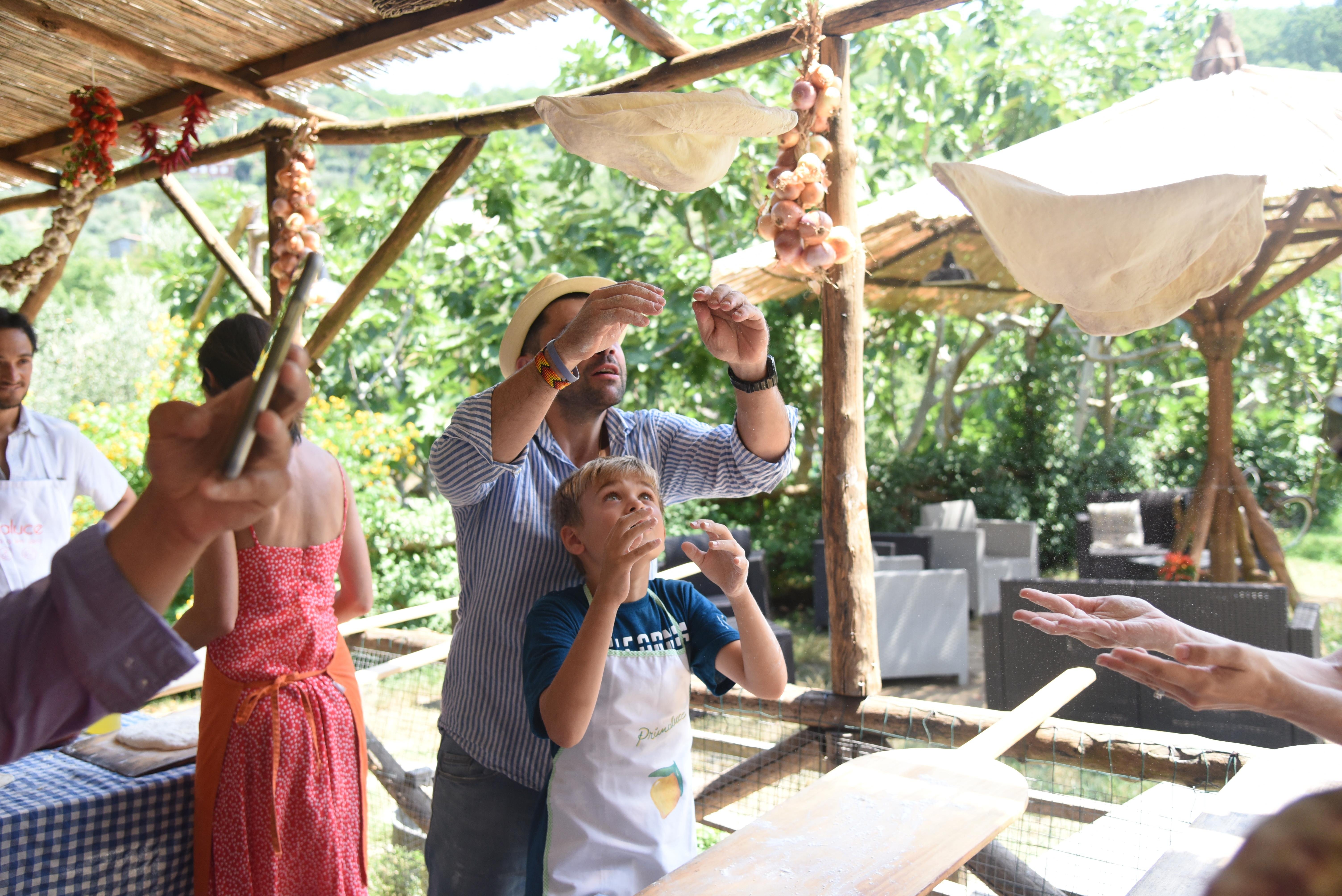
Sorrento Farm Experience: Lemon, Olive Oil & Wine Tasting with Lunch
- Multi-attraction access
- Mobile voucher
- Flexible dates
- Free cancellation
Sorrento Wine Tours — Vineyard Tastings & Guided Cellar Visits
Volcanic soil below, terraced vines above, one glass between.
Compare fares, pick the fit — all bookings are mobile-voucher and eligible for free cancellation where shown.
4 hr
3 hr
3 hr
Sorrento wine tours split into three distinct formats, and the right pick depends on how much walking, riding, or driving you want built into the day. First-timers weighing options typically choose between an in-town wine-bar passeggiata, a van excursion to Vesuvius vineyards, or an e-bike combo tour pairing cycling with Pompeii or pizza-and-wine stops.
| Walking Wine-Bar Tasting (On foot, town center) |
Top pick Van/Coach Vesuvius Winery Tour (Coach transfer) |
E-Bike or Combo Tour (E-bike or bike + van) | |
|---|---|---|---|
| Format | Guided walk between wine bars and cellars | Coach excursion to countryside wineries | E-bike ride or combo with Pompeii/pizza stop |
| Transport | None — walking only | Van or minibus with A/C | E-bike, with van support on some routes |
| Typical group size | Up to 15 people | 8–20 people | 2–10 people |
| Duration | 2–3 hours | 5–6 hours | 2–6 hours depending on combo |
| What's included | Wine, cheese, and olive oil tastings | Vineyard walk, tasting, and lunch | Bike hire, tastings, and guide |
| Best for | Visitors staying in central Sorrento without transport | Those wanting Vesuvius vineyards and a full meal | Active travelers combining sights with wine |
| See tickets & prices |
Verdict: Choose the van excursion for the fullest sorrento wine tours tour experience with Vesuvius scenery and lunch included, the walking format if you'd rather stay on foot in town, or an e-bike sorrento wine tours tours combo if you want Pompeii or pizza-making folded into the same day — and check each operator's sorrento wine tours tickets for exact pickup points and inclusions.
Hand-picked experiences loved by thousands of travelers
5 hours
Free Cancellation
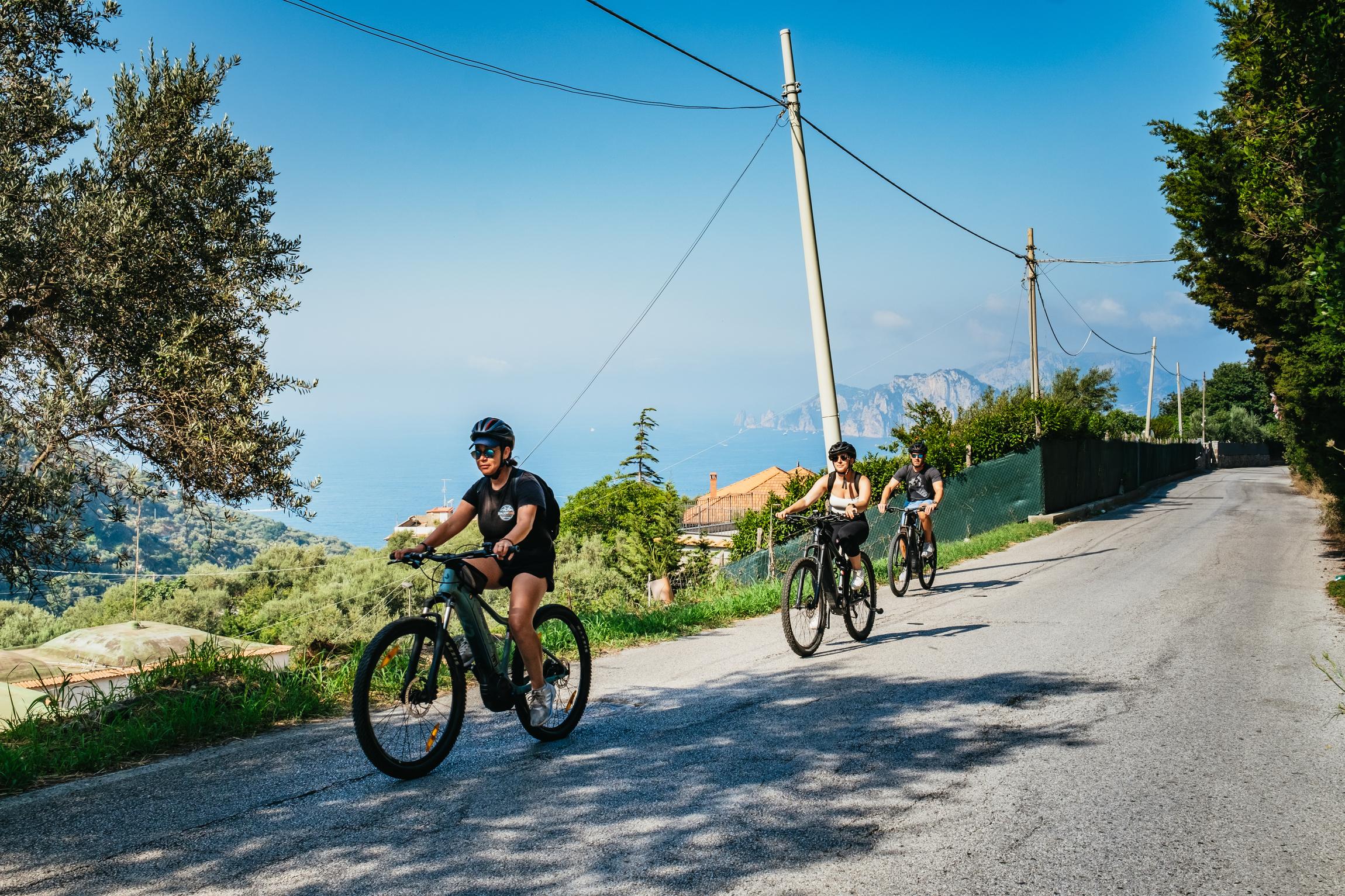
Cruise scenic mule tracks by e-bike, then feast on mozzarella, wine & limoncello at a hilltop agriturismo.
1.5 hours
Free Cancellation
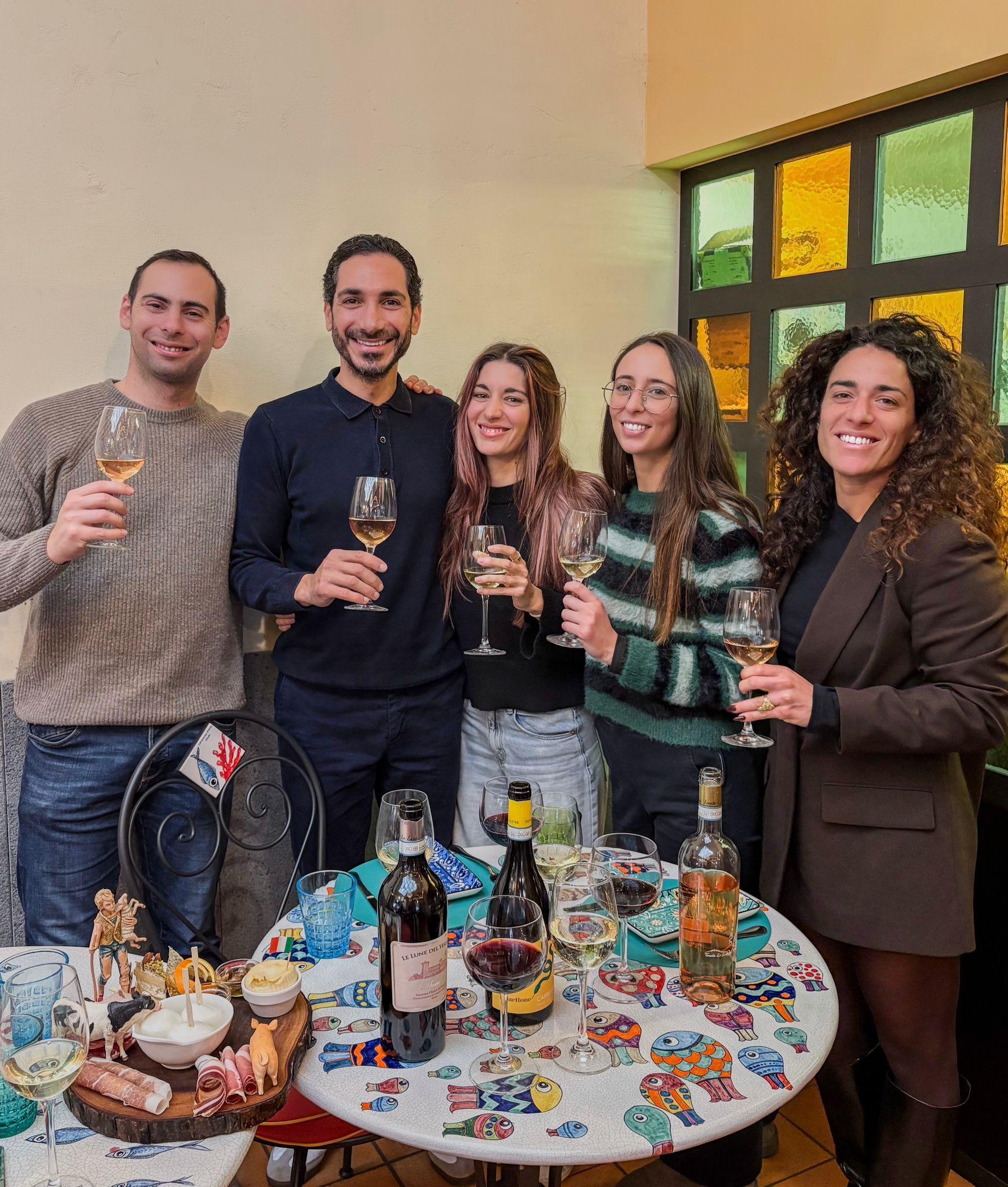
Sip 4 regional Campanian wines paired with traditional bites in an intimate Sorrento setting.
1.5 hours
Free Cancellation
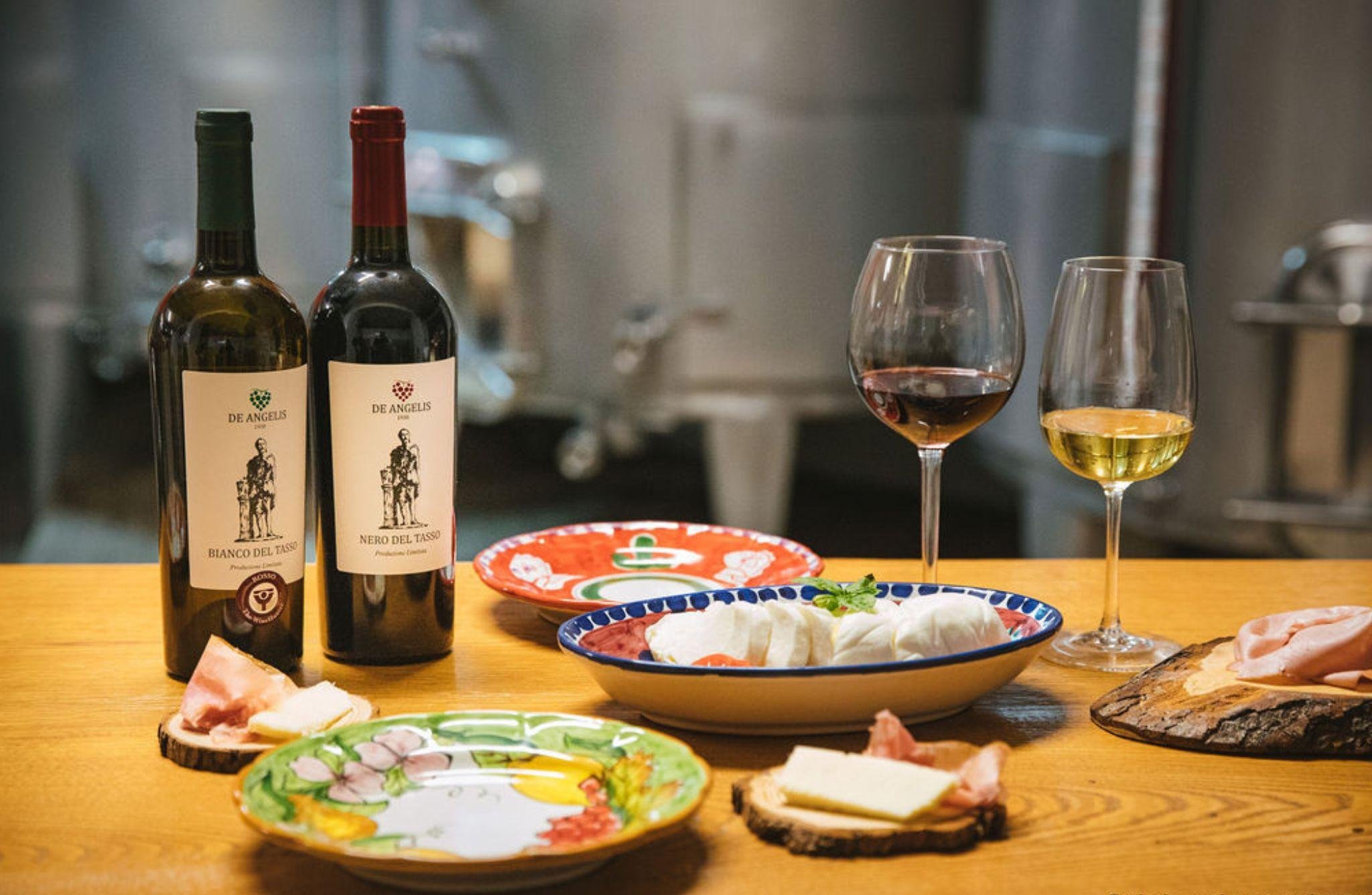
Step inside Sorrento's only DOP winery for a 90-minute guided tour, four wines, and a lavish cheese and charcuterie spread.
Groups gather at Piazza Tasso, the Circumvesuviana station, or a designated hotel pickup point before departure
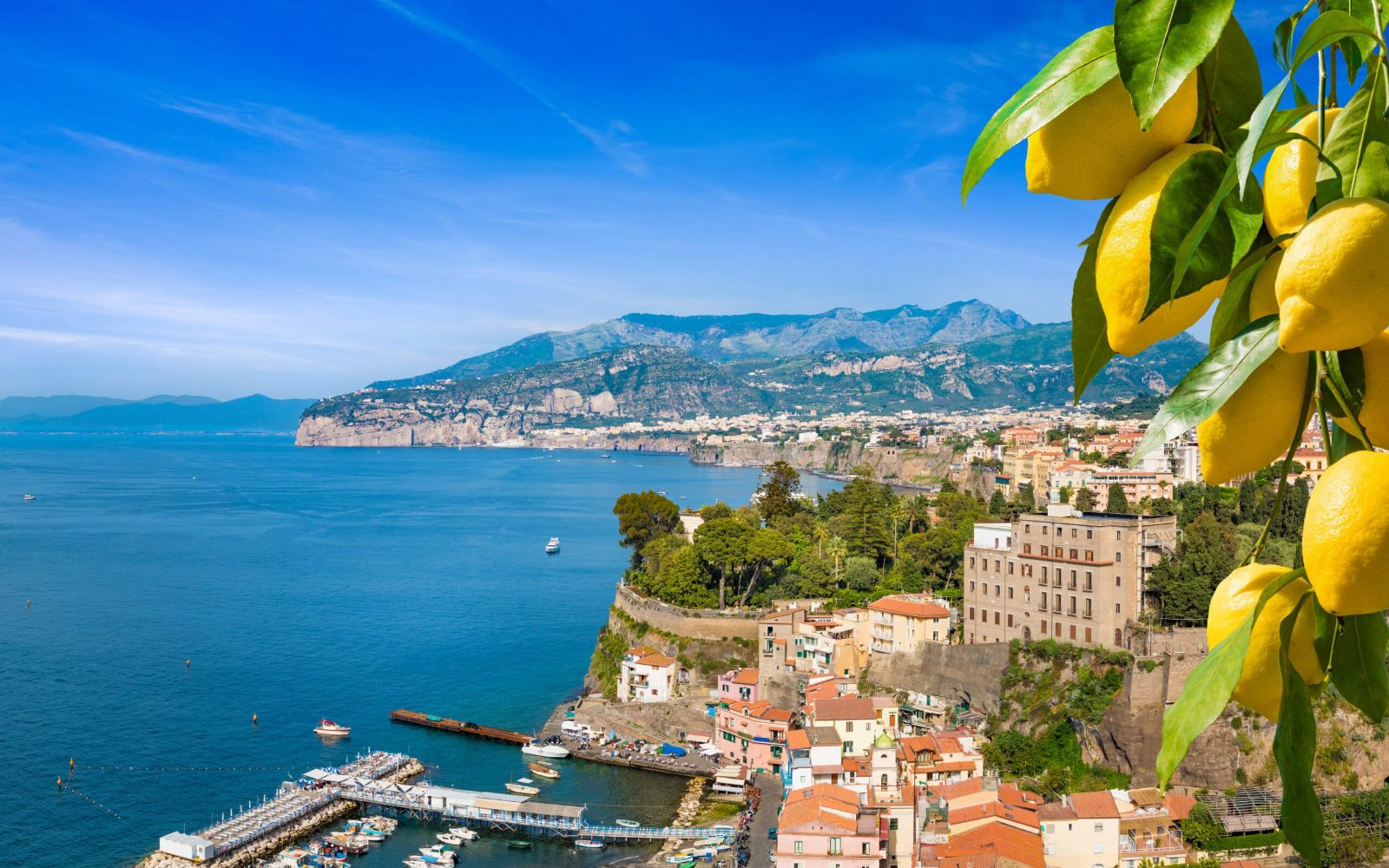
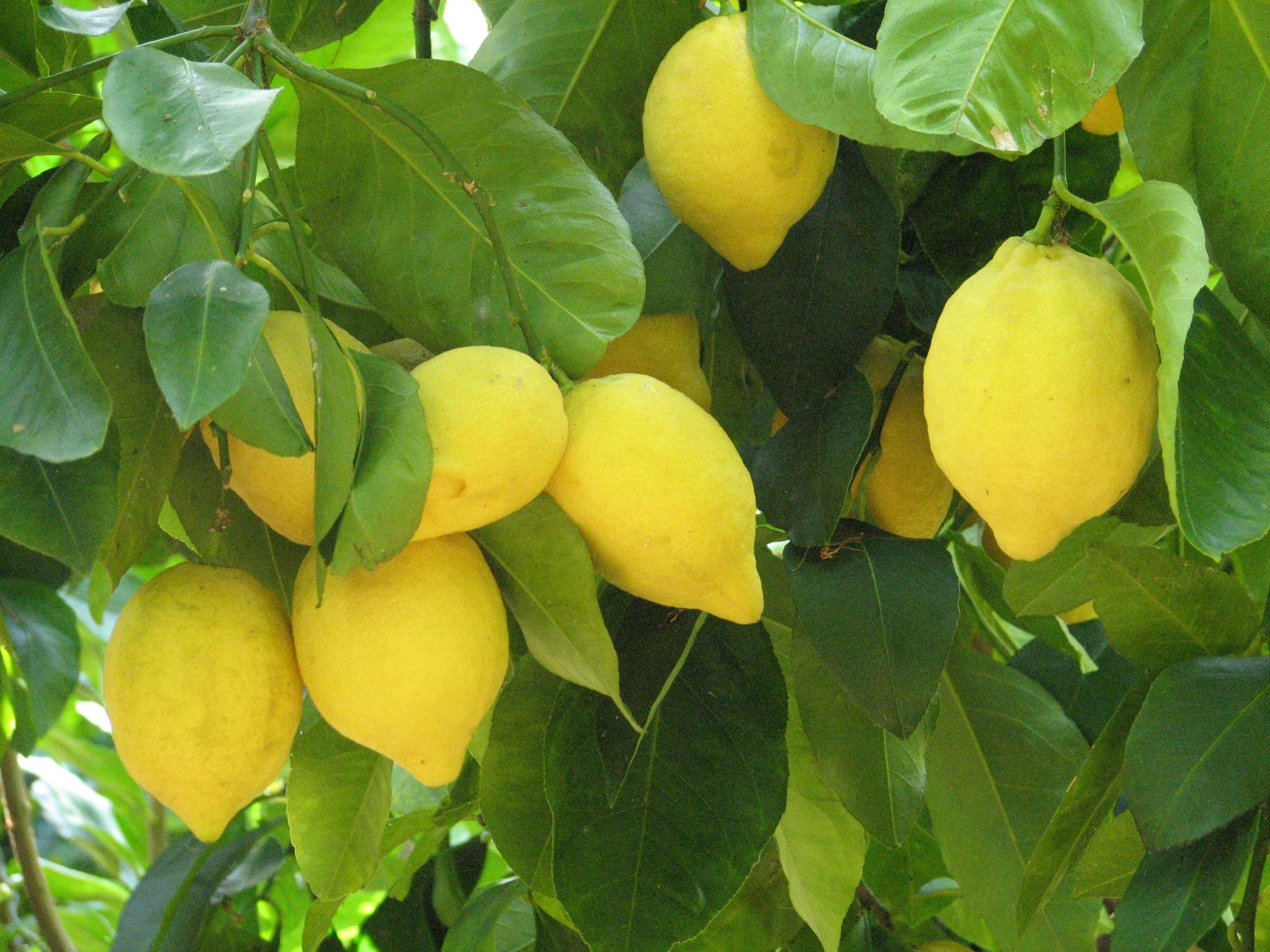
Vehicles head inland toward Gragnano or up the slopes of Vesuvius, passing lemon groves and coastal viewpoints
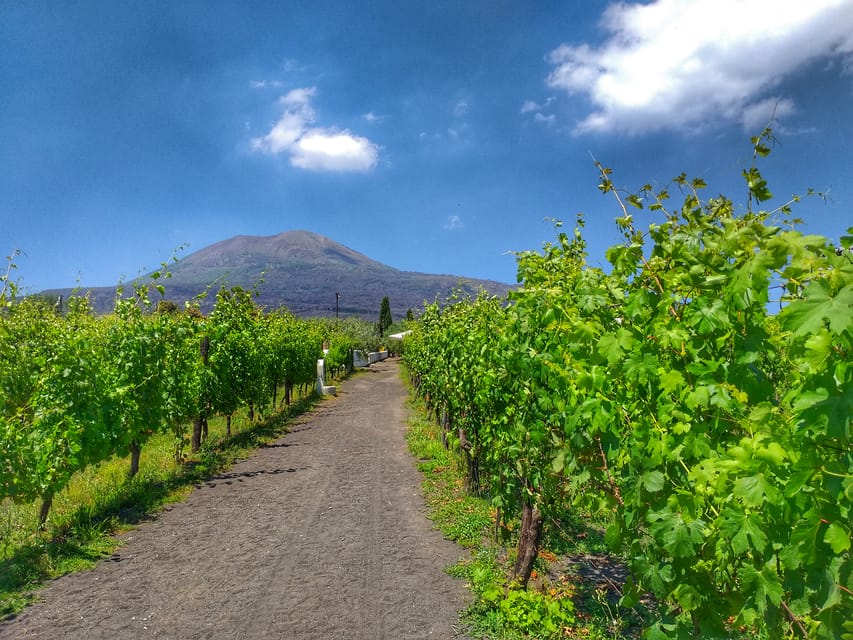
A guide leads visitors through rows of pergola-trained vines, explaining the volcanic soil and traditional Vesuvian growing methods
Visitors sample regional wines such as Falanghina, Greco, and Lacryma Christi in a barrel room or garden setting
A multi-course meal featuring local cheeses, cured meats, and pasta is served alongside the wines tasted earlier
Vehicles bring visitors back to central Sorrento or connecting hotels
Vineyards planted on the volcanic soil of Mount Vesuvius sit at elevations reached by a roughly 45-60 minute drive from Sorrento, where mineral-rich lapilli deposits shape the character of local Lacryma Christi wines. The National Park designation protects much of this land, meaning tours often include a guide explaining organic cultivation methods required within the reserve.
Grapes across many Sorrentine Peninsula vineyards are trained on traditional overhead pergola structures that shield fruit from intense Campanian sun while allowing air to circulate underneath. This centuries-old method distinguishes the region's viticulture from the low-trellis systems common elsewhere in Italy.
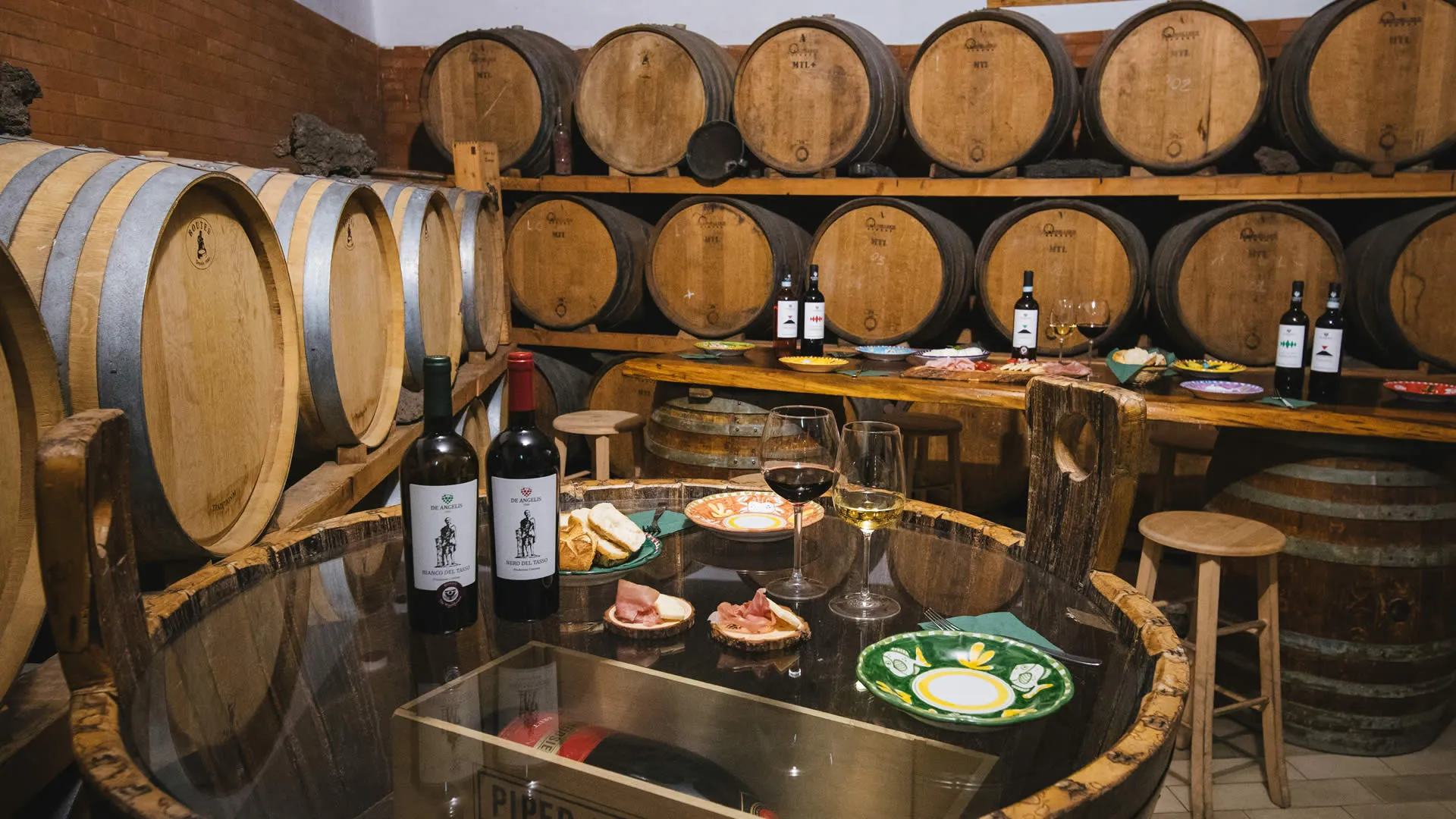
Underground or ground-level barrel rooms at family-run cellars store wine in oak alongside volcanic-stone walls that help maintain stable cool temperatures year-round. Visitors typically spend 20-30 minutes here learning about aging processes before moving to the tasting table.
Named for a legend involving Christ's tears falling on the slopes of Vesuvius, Lacryma Christi is produced in both white and red styles and remains one of the few wines still grown directly on an active volcano. Tasting flights typically pair 3-4 pours with regional cheeses and cured meats.
Located roughly 45 minutes inland from Sorrento, Gragnano's hillside cellars specialize in the DOC-designated sparkling red wine that shares the town's name, fermented using a traditional method dating back generations. Several full-day itineraries combine a cellar visit here with a vineyard lunch overlooking the Lattari Mountains.
Within Sorrento's historic center, some wine experiences take place in walled citrus gardens where Campania whites like Falanghina are poured alongside limoncello made from the town's namesake lemons. These in-town settings offer a shorter, walkable alternative to the countryside vineyard excursions.
You set out in the cool of mid-morning, aiming to arrive between 09:30 and 11:00, before the midday groups fill the courtyards. The road climbs out of Sorrento in tight switchbacks, lemon groves giving way to terraced vines, until your guide pulls in at the first estate. You step into a cellar cut from tufa rock, where the temperature drops and the air turns to yeast and damp stone. The host uncorks a Falanghina first — pale, saline, cold from the barrel room — and walks you along a row of amphorae half-buried in the floor. You taste three whites and two reds, each poured beside a plate: local caciocavallo, cured olives, bread and green oil pressed from the estate's own trees. By late morning you are back on the ridge, glass in hand, the Gulf of Naples flat and blue below and Vesuvius blunt on the far shore. You walk a short stretch of terrace, running a palm along dry-stone wall laid generations ago, while the winemaker explains why this slope ripens Piedirosso a week ahead of the next. A sorrento wine tour usually links two or three estates this way, spacing the tastings so nothing blurs. You finish somewhere with shade and a long view, the last red still on your tongue, the afternoon light beginning to lengthen across the vines.
All the details about your upcoming adventure in one place
Sorrento wine tours guide small groups through the terraced vineyards of the Sorrentine Peninsula, where volcanic soils near Vesuvius shape distinctive local varietals. These excursioni del vino pair tastings with coastal panoramas over the Bay of Naples, and every sorrento wine tours tour is led by hosts who know the region's cellars, olive groves, and lemon-terraced hillsides. Guided Sorrento vineyard tours also fold in stops at family-run wineries that welcome visitors year-round.
The grapevines that ring Sorrento grow in soil that Mount Vesuvius rebuilt. Every eruption over two millennia layered the Sorrentine Peninsula with mineral-rich volcanic ash, and it is that ash — pumice, potassium, trace sulphur — that gives Campanian wine its particular edge of salt and stone. Viticulture here predates the Roman villas that once studded these cliffs. Greek settlers planted vines along the Bay of Naples centuries before Pompeii fell, and the terraced dry-stone walls that hold the hillsides today follow contours first cut in antiquity. Native grapes — Falanghina, Piedirosso, Aglianico, the aromatic Coda di Volpe — survive here in forms nearly unchanged, some grown on ungrafted rootstock that phylloxera never reached. Sorrento wine tours trace this continuity, moving between family estates where the same surnames appear on cellar doors and parish records alike. What distinguishes the region is compression. Within a short drive the landscape shifts from coastal lemon groves to volcanic upland, and the wines shift with it. A vineyard facing the Gulf of Naples ripens differently from one turned toward the Lattari mountains, and the tastings on offer are built to show that range in a single afternoon. Cellars are often small — a barrel room carved into tufa rock, a pergola where the host pours from unlabelled bottles, a courtyard shaded by fig. Guided cellar visits pair each glass with the estate's own olive oil, aged caciocavallo and bread still warm from a wood oven. The architecture of these places is agricultural rather than grand. Vaulted masserie, terracotta amphorae set into the earth, fermentation rooms cooled by nothing more than thick stone and elevation — this is working landscape, not showpiece. The terraces themselves are the monument: hand-laid walls climbing hundreds of metres, maintained by families across generations, holding thin soil against gravity and rain. Today the peninsula sits at the centre of a wider Campanian revival. Producers who once sold in bulk now bottle under their own names, and the region's volcanic whites in particular have drawn serious attention abroad. Wine tasting in Sorrento has become less a novelty than a way of reading the land — the reason a slope, an altitude and an ash layer end up in the mouth as minerality and length. For visitors, the appeal is proximity. Few wine regions place ancient vines, an active volcano and a working harbour within the same horizon. The sorrentine peninsula vineyards reward those who come to understand rather than merely sample, and a well-chosen sorrento wine tour opens doors — private cellars, single-estate verticals, hillside plots — that no casual drop-in ever reaches.
Every eruption over two millennia layered the peninsula with ash, and it is that ash that gives the wine its edge of salt and stone.
Wear comfortable closed-toe shoes since many sorrento wine tours involve walking on gravel paths, terraced slopes, or cellar floors that can be uneven. Light layers work well in summer heat, but bring a light jacket for cool cellar interiors kept at cooler storage temperatures.
There is no centralized security checkpoint since sorrento wine tours are run by individual vineyard operators rather than a single ticketed site. Small daypacks and handbags are generally fine to bring into tasting rooms and vineyard walking areas.
Photography is generally welcome in vineyards and outdoor tasting areas across sorrento wine tours, including shots of pergola-trained vines and barrel rooms. Some family-run cellars ask that flash photography be avoided near active fermentation tanks or aging barrels.
Children are typically welcome on vineyard walks, though most experiences center on wine tasting and are better suited to accompanying adults. Ask the operator in advance about non-alcoholic pairings such as grape juice or soft drinks for younger visitors.
Vineyard terrain on the slopes of Vesuvius and in the Sorrentine hills is often sloped, terraced, or gravel-surfaced, which can be difficult for wheelchairs or limited mobility. Contact the specific operator ahead of booking to confirm whether a particular sorrento wine tours itinerary has flatter, accessible routes.
Outside food and drink are generally not permitted during scheduled tastings, since lunch or pairing platters are typically included as part of the sorrento wine tours package. Wine, water, and any accompanying food are supplied by the winery or restaurant as part of the itinerary; alcohol is not sold or served to anyone under 18.
Quiet start to week, fewer coach groups
Mid-week availability often best
Weekend bookings fill up fast
Busiest day, book well ahead
Tour hours
Wineries operate daily 09:00–18:00, though individual tastings run on operator-set schedules
Public transport · 60-70 min from Naples · €3.80-€4.50 one-way
Take the Circumvesuviana train line from Napoli Centrale to Sorrento station (about 60-70 minutes), then join a scheduled tour departing from Piazza Tasso or the station forecourt
Car · 45-60 min from Naples · €1.50-€3/hour parking
Drive from Naples via the A3 motorway toward Castellammare di Stabia, then follow signs into Sorrento; parking near Piazza Tasso and the port area is metered
Taxi · 45-50 min · €90-€120 fixed rate
Taxis from Naples Centrale or the airport to Sorrento take roughly 45-50 minutes along the coastal road
Bike · 20-30 min in town · €10-15/day rental
Not recommended for reaching inland vineyard sites due to steep terraced roads, though flat coastal routes within Sorrento are rideable
Most operators offering sorrento wine tours allow free cancellation up to 24 hours before the scheduled start for a full refund. Since there is no single entrance fee (0 EUR gate charge, as tours are booked individually per operator), refund terms are set by each tour company rather than a central ticket office.
Weather · crowds · average price — dots go green to amber to red as each metric rises.
Mild temperatures around 18-24°C make vineyard walks comfortable, and the growing vines are visibly leafing out. Crowds are lighter than summer, and this is considered a strong shoulder season for sorrento wine tours.
Daytime temperatures often exceed 30°C, so early departures are recommended to avoid midday heat on exposed vineyard slopes. This is peak season, with the highest demand and the most operators running daily departures.
Harvest season brings grape-picking activity to many Vesuvius and Sorrentine Peninsula vineyards, adding an extra layer of interest to tours. Weather stays warm (22-27°C) with noticeably fewer crowds than summer.
Many smaller family-run wineries reduce their tour schedules or operate by appointment only during cooler, wetter months. Visitors who book ahead can still find tastings, often with more personal attention from smaller groups.
Summer sorrento wine tours are commonly reserved around 50 days in advance according to booking data, so securing a date at least a few weeks out helps avoid sold-out slots.
Some Pompeii-and-Vesuvius combination itineraries do not include site entrance fees or lunch, so check the listing details before assuming a package covers everything.
Cellars and barrel rooms stay noticeably cooler than the vineyard rows outside, so a light layer helps when moving between tasting areas.
The Naples-Sorrento line stops at Pompei Scavi and Torre Annunziata, both useful jumping-off points for reaching inland vineyard regions on your own.
Refund policies vary by company since there is no single central ticket office for sorrento wine tours, so read each listing's terms before booking.
Lacryma Christi, Falanghina, and Greco are the signature wines of the region, and asking guides about them adds context to any tasting.
Piazza Giovanni Battista de Curtis 16, 80067 Sorrento NA
Common pickup point for coach and van transfers to inland vineyards
Get directionsPiazza Tasso, 80067 Sorrento NA
Central square used as a walking-tour starting point for in-town tasting experiences
Get directionsVaries by accommodation
Many private sorrento wine tours include direct pickup from Sorrento-area hotels
Get directionsViticulture on the slopes of Vesuvius predates Sorrento's modern tourism by more than two millennia. Greek settlers planted vines along the Bay of Naples from the eighth century BCE. Roman growers expanded them across the volcano's flanks. Frescoes recovered from Pompeii depict Bacchus draped in grape clusters against the mountain. Then, on 24 August 79 CE, Vesuvius erupted. The blast buried Pompeii and Herculaneum and destroyed the vineyards that fed the region's wine trade. Excavations begun in 1748 later confirmed the scale of that loss, including carbonized vine roots preserved beneath ash. From this volcanic ground came Lacryma Christi, the wine that still anchors most sorrento wine tours across the Campanian coast. Legend holds that Christ, weeping over Lucifer's fall near the bay, let tears strike the earth, and where they fell the vines grew. The name — "tears of Christ" — attached to the white and red wines pressed from Coda di Volpe, Falanghina, Piedirosso, and Aglianico grapes. Benedictine monks tended these slopes through the medieval centuries. The DOC designation formalized the appellation in 1983, protecting a lineage that stretches back to antiquity. Mineral-rich soil, high potassium, and sharp drainage give the fruit its distinct salinity and structure. That volcanic terroir is why a Vesuvian wine tour cannot be replicated inland. Family-run cantinas carry the tradition forward. Cantina del Vesuvio, founded by the Russo family within the Vesuvius National Park, and the Sorrentino estate both farm vines rooted in old lava flows, some ungrafted survivors of the phylloxera crisis that ravaged European vineyards in the late nineteenth century. Today a sorrento wine tours tour typically routes visitors from the peninsula toward these hillside producers. Booking sorrento wine tours tickets through individual operators grants access to cellars, tastings, and the terraced rows themselves. The best sorrento wine tours tours pair the Lacryma Christi legend with the geology that sustains it, letting travelers taste directly from soil the eruption of 79 CE once destroyed and, in time, made extraordinary again.
Greek colonists introduce viticulture along the Bay of Naples near Vesuvius.
Vesuvius erupts on 24 August, burying Pompeii and its surrounding vineyards.
Excavations of Pompeii begin, later uncovering carbonized vines and wine-themed frescoes.
Phylloxera devastates European vineyards, sparing some ungrafted vines rooted in Vesuvian lava.
Lacryma Christi del Vesuvio receives official DOC appellation status.
Family estates such as Cantina del Vesuvio and Sorrentino open cellars to visiting tasters.
Operator-run itineraries connect Sorrento travelers to Vesuvian cantinas and terraced vine rows.
Most sorrento wine tours are structured around adult tastings, but family-run farm stops with lemon groves and animals make several options genuinely workable with children along.
Farm and lemon-grove experiences work best for kids: guides walk families through orchards, let children meet farm animals, and pour fresh lemonade or juice alongside the adult wine and limoncello tasting.
School-age children (roughly 6 and up) get the most out of these visits since tours involve orchard walking, produce explanations, and a seated multi-course lunch that younger toddlers may find long.
Call the operator directly and ask specifically whether they offer non-alcoholic grape juice for children, since accommodation varies by winery and isn't standard on every itinerary.
Cellar-focused tastings and evening wine classes are geared toward adults and involve confined tasting rooms with little for children to do, so save these for a sitter day.
E-bike or walking vineyard routes suit families better when operators can slow the pace; ask if a shorter loop or private timing is available for a sorrento wine tours tour with young children.
Family-run farms typically have outdoor space and basic restrooms, but few have dedicated baby-change facilities, so pack essentials for a half-day countryside outing.
Most sorrento wine tours build lunch into the itinerary at the winery itself, so you rarely need a separate restaurant plan; central Sorrento adds a handful of tasting stops for anyone extending the day on foot.
Family-run estate on Vesuvius slopes serving a set menu of casatiello, Piennolo tomato pasta, and eggplant parmigiana paired with Lacryma Christi and Aglianico; book as part of a sorrento wine tours tour since walk-ins aren't accommodated, and the terrace fills fast on clear-sky days.
Organic Lacryma Christi Superiore tasting paired with charcuterie, provolone, and bruschetta with heirloom tomatoes; a common midday stop on Pompeii-and-wine itineraries, best suited to travelers who want a shorter sit-down pairing rather than a full multi-course meal.
Shop on Via San Francesco offering free samples of limoncello, limoncello cream, and pistachio cream, usually the closing stop on a sorrento wine tours tickets walking itinerary through the historic center; quick, casual, and good for a sweet finish rather than a meal.
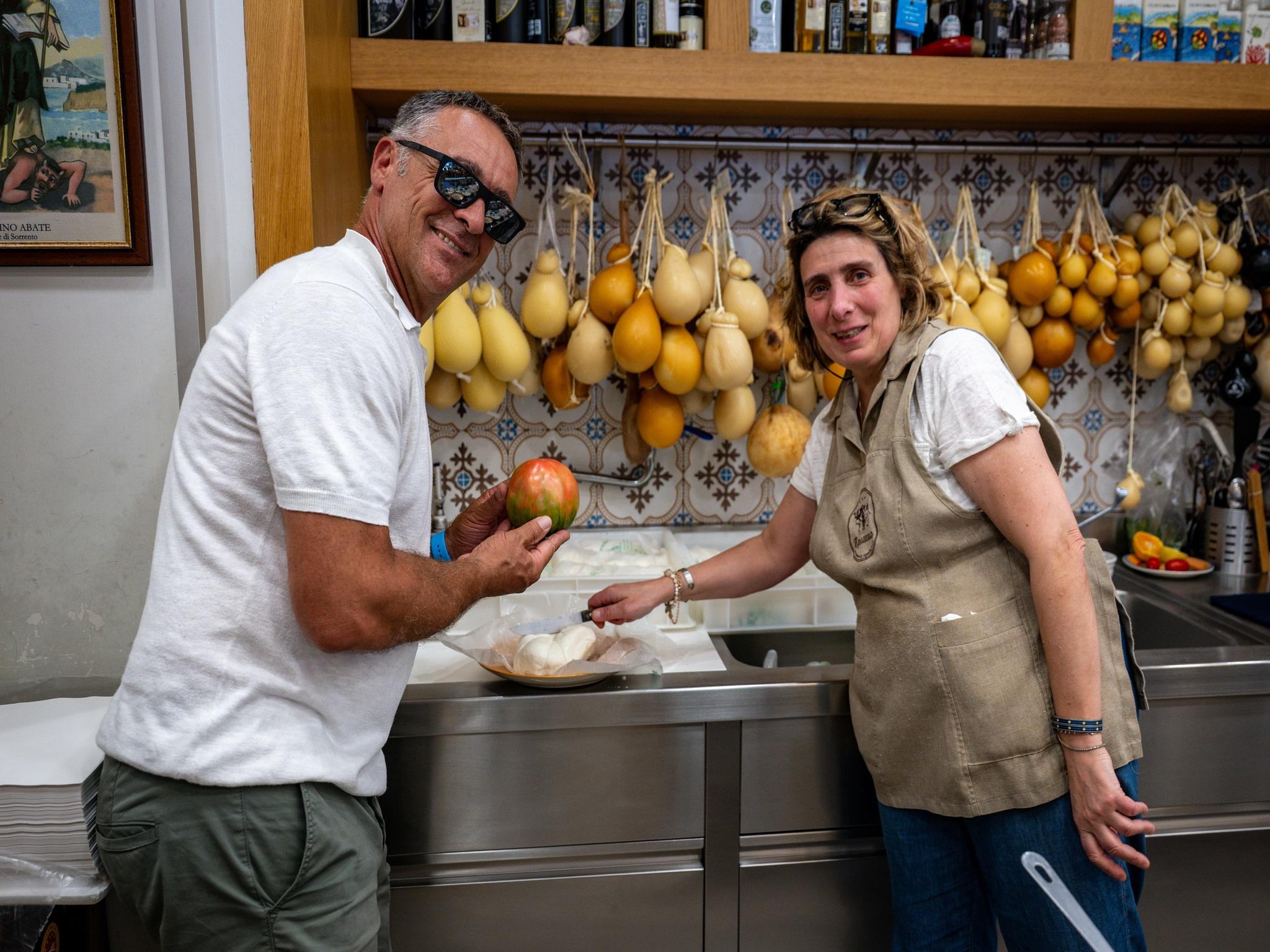
A rotating set of family-run eateries, delis, and markets visited on small-group food walks, pairing gnocchi, buffalo mozzarella, and cured meats with local wine and limoncello; suits visitors who prefer grazing over several stops instead of one sit-down lunch.
Real experiences from real travelers
We booked one of the smaller sorrento wine tours and spent the morning walking terraces that looked straight down onto the water. The guide poured a chilled white while explaining how the volcanic soil changes the flavor, and the heat of late June made the shade of the pergola very welcome.
The pickup near Piazza Tasso was easy and the van was small enough that it never felt crowded. Standing among the vines with Vesuvius across the water while tasting the local red was the part my wife still talks about.
The tasting itself was generous and the family who ran the estate were warm and patient with our questions. The winding road up took longer than I expected, so bring something for motion sickness if you are prone to it.
Our guide on the sorrento wine tour knew every terrace by name and let us linger at the viewpoint far longer than the schedule suggested. In the July heat the cellar was pleasantly cool and the volcanic wine paired beautifully with the aged cheese.
What stood out on this sorrento wine tours tour was how much the vineyard tasting differed from anything back home, the minerality from the Vesuvian ground is unmistakable. Late afternoon light over the Bay of Naples made the final glass hard to leave behind.
A short but well-run wine tasting in Sorrento with a proper focus on the local grapes rather than a rushed pour. We arrived as the sun dropped and the whole terrace turned gold over the marina below.
The degustazione vini a Sorrento was intimate, just six of us seated under the vines with plates of bread, oil and tomatoes. I would have liked one more red in the flight, but the setting and the family hospitality more than made up for it.
Even in the cooler off-season the panorama of Vesuvius across the water was reason enough to go. The sorrento wine tours tickets covered transport, three wines and a light lunch, which felt like fair value for a full afternoon.
Our small-group Sorrento wine tour wound through hillside vineyards and finished in a shaded cellar where the owner explained each bottle in detail. The morning breeze off the Tyrrhenian kept things comfortable even at the peak of summer.
The wine was good and the guide knowledgeable, though the midday July slot left us tasting reds in full sun with little shade. Ask for a later start if you visit in high summer.
Everything you need to know for your journey
Wineries offering sorrento wine tours generally operate daily from 09:00 to 18:00, though individual tasting sessions follow each operator's own schedule.
There is no single gate fee for sorrento wine tours since tours are booked individually per operator rather than through one ticketed entrance.
The best arrival window is 09:30-11:00, when cooler morning temperatures and quieter vineyards make for a more comfortable visit before midday tour groups arrive.
Vineyard terrain on the slopes of Vesuvius and in the Sorrentine hills is often sloped or terraced, so travelers with mobility needs should contact the specific operator ahead of time to confirm accessible routes.
Outside alcohol, glass containers, drones without permission, and open flames near cellars are among the items generally not allowed on sorrento wine tours.
Yes, photography is welcome in vineyards and tasting rooms during most sorrento wine tours, though some smaller cellars ask visitors to avoid flash near active fermentation areas.
Comfortable closed-toe shoes and light layers work best, since sorrento wine tours often involve walking on gravel paths and moving between warm vineyards and cooler cellar interiors.
Children are typically welcome to join the vineyard walk portion of sorrento wine tours, though the tasting itself is geared toward adults, and non-alcoholic pairings can usually be arranged with advance notice.
Most sorrento wine tours tickets include a paired lunch or food tasting alongside the wine, though it's worth confirming this with the specific listing since some combination itineraries charge lunch separately.
The Circumvesuviana train connects Napoli Centrale to Sorrento station in about 60-70 minutes, and most sorrento wine tours depart from there or from central hotel pickup points.
Cancellation terms vary by operator, but many sorrento wine tours allow a full refund if canceled at least 24 hours before the scheduled start time.
Piazza Tasso, Sorrento Cathedral, and the Valley of the Mills are all within a 10-minute walk of the town centre and pair well with a half-day or evening wine tasting.
Sorrento's central square, built in 1866, is framed by the Baroque Church of Santa Maria del Carmine and a statue of the poet Torquato Tasso. It serves as the main gathering point for walking tours through the historic centre.
Cattedrale di Sorrento traces its origins to the 11th century, later rebuilt in Romanesque style with Baroque additions after damage from a 1558 Turkish raid. Inside, visitors find marble altars, Neapolitan paintings, and a font linked to Torquato Tasso's baptism.
This clifftop public garden overlooks the Bay of Naples and Mount Vesuvius, offering a shaded rest point with panoramic sea views. Benches and pathways make it a popular spot for sunset viewing.
Vallone dei Mulini is a deep ravine cutting through Sorrento's old town, containing the ruins of abandoned watermills dating back centuries. The gorge formed from volcanic eruptions and has since been isolated by urban development around it.
This open-air loggia near the historic centre once served as a meeting hall for Sorrento's noble families, distinguished by its majolica-tiled dome. It remains one of the best-preserved examples of civic Renaissance architecture in the town.
Staying near Piazza Tasso puts visitors within easy reach of Circumvesuviana connections and tour pickup points for excursions into the countryside.
This former fishing village on Sorrento's western edge offers smaller boutique guesthouses with sea views, a short walk or drive from central pickup points.
Sorrento's main shopping street is lined with mid-range hotels convenient for both dining and access to tour meeting points.
A quieter residential area just east of central Sorrento with more budget-friendly lodging and a nearby Circumvesuviana stop.
Join thousands of happy travelers who have discovered this incredible experience
Book Your Experience Now